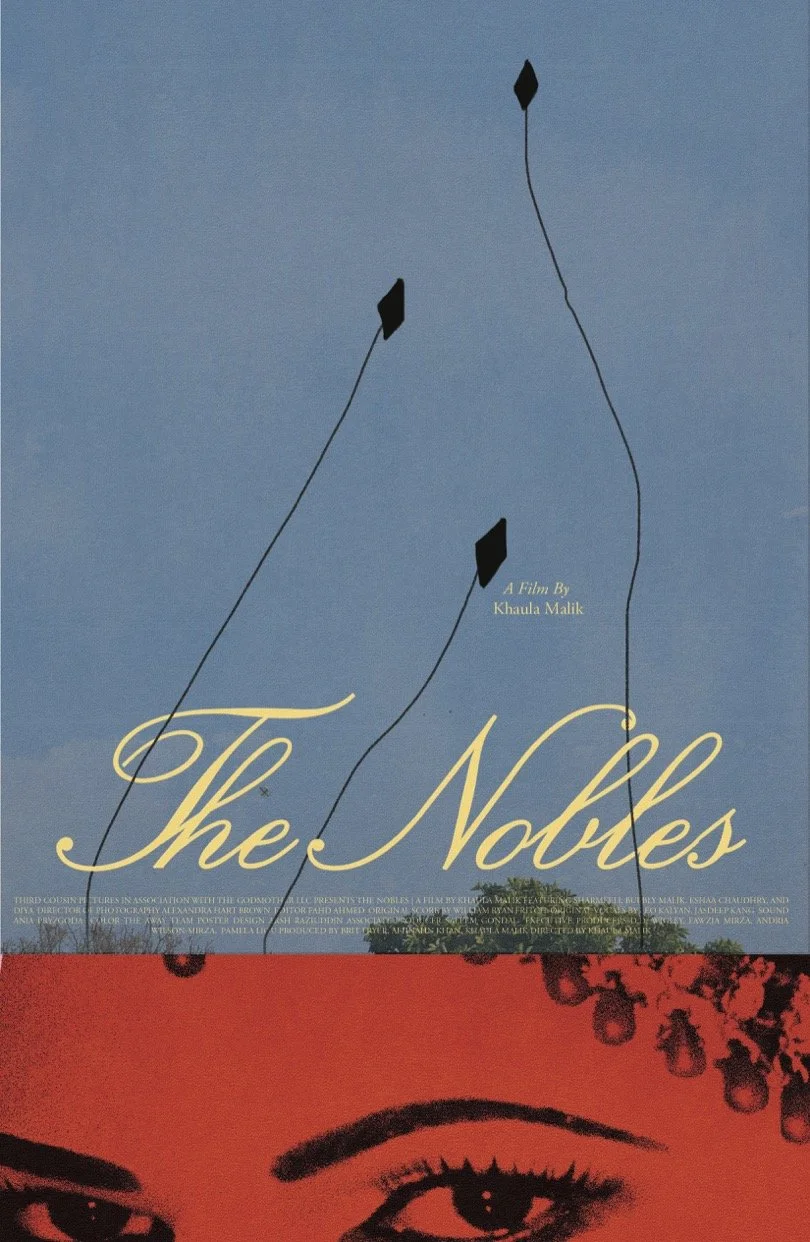
Synopsis
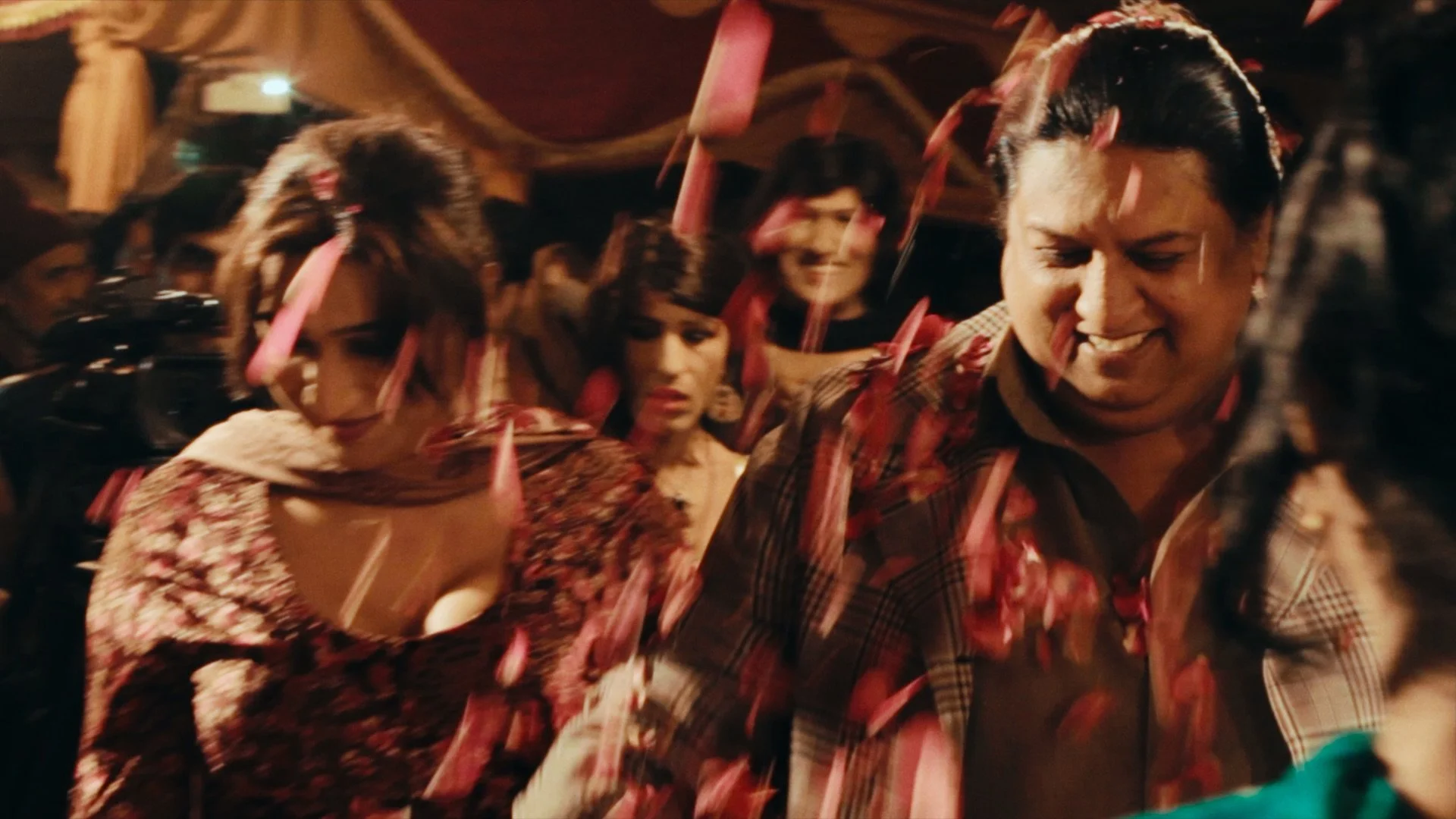
Pakistan’s unique and nuanced relationship with queerness, wounded by colonialism, comes back to life in the vibrant setting of Rawalpindi. Here, activism, resilience, creativity, music, dance, and a distinctive solidarity find embodiment in a café run by Khawaja Siras, former “nobles” who advised Mughal emperors. The first of its kind in Pakistan, the café is a lifeline for the community.
Director’s Statement
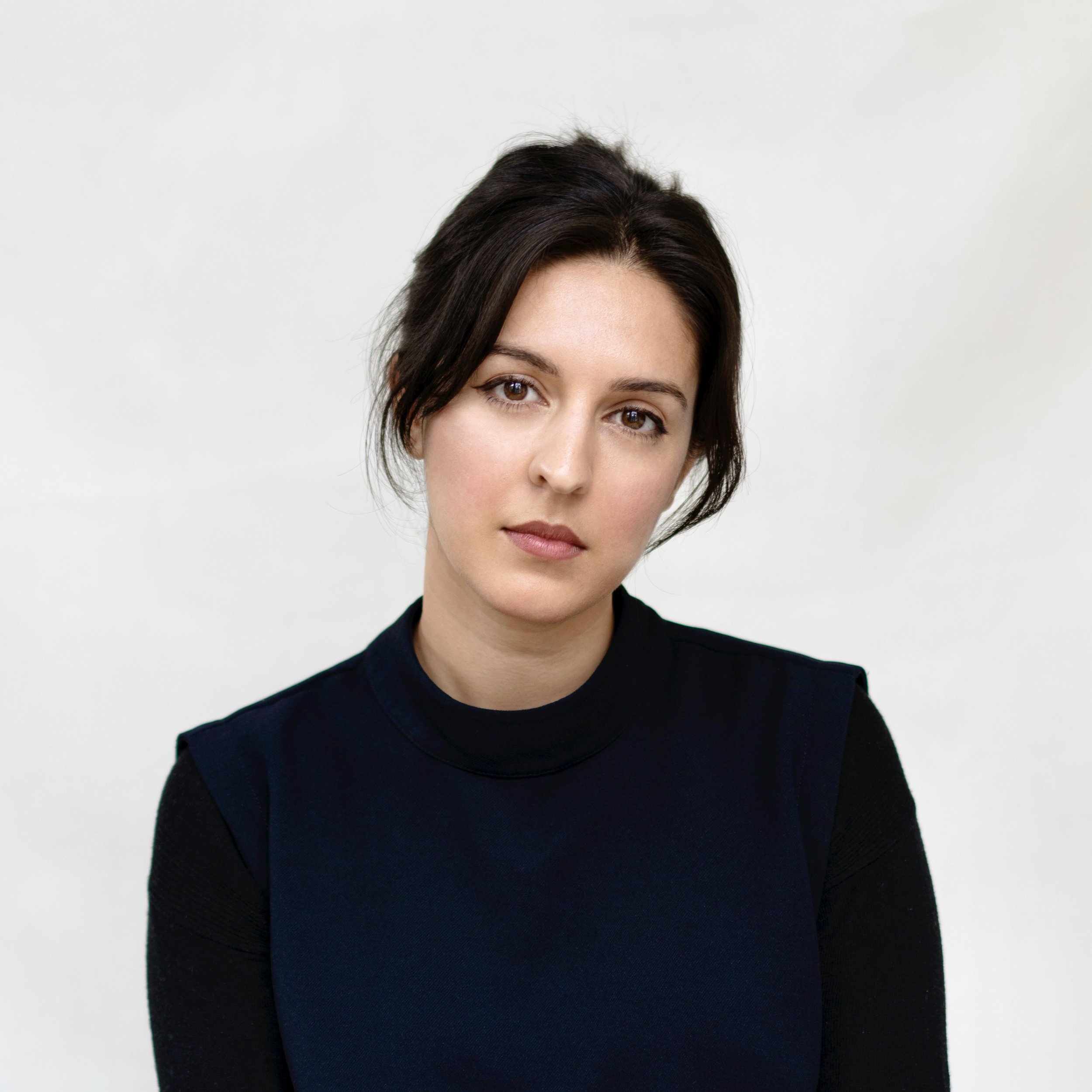
The café at the heart of The Nobles was the catalyst for this film, embodying a vision of Pakistan I’ve carried with me since my early childhood there and later my returns on family trips. It reflects a place often burdened with expectations that never quite match my experience of a country shaped by contradiction as much as by beauty.
When we think about Pakistan, and when we think about trans women within it, we rarely imagine them running a café or experiencing joy in their everyday lives. More often, their stories are framed by danger and by the need to remain constantly vigilant. While that reality is not untrue, it is not the only one. I wanted to depict a different reality, the one I witnessed while filming: a community living in a paradox, revered in some ways yet socially disempowered, and still building lives shaped by humor, humanity, and optimism for more. This vision felt different from how I had seen Pakistan represented on screen. It felt closer to home.
As an undergraduate in the United States, I was drawn to studying the history of gender queerness in South Asia. Through my work as an anthropology student, I was introduced to the café by my father’s childhood friend, who worked at the university that hosted this social enterprise for the Khawaja Sira and trans community. During childhood visits, I had encountered and met members of this community, but it was through the café, and later through meeting Bubbly, who founded it as part of her activism with Wajood, that I began to understand the community as not only part of South Asia’s precolonial past, but as active participants in contemporary society.
I asked myself many questions while making this film. Do I use voiceover? Interviews? How can I ground an audience in these women’s lives without making myself and my participants feel like they need to provide answers to certain questions or curiosities? How can we subvert the anthropological gaze that brought me to documentary work and this community?
In many ways, this film has challenged me to balance artistic integrity with the pressures of representation, navigating expectations often placed on filmmakers and participants from marginalized communities to fit predetermined expectations. Where I’ve landed has been creating a cinematic approach rooted in an awareness of the gaze, capturing moments when the women acknowledge mine or the camera’s presence, creating a dialogue between the participants and the viewer. This conscious interaction with the camera invites the audience to consider the complex politics of representation and visibility, reminding us that these are not passive subjects but active participants in their own storytelling. As a poetic vérité film, we juxtapose interior and exterior worlds to reveal the lived realities of our characters: inside the café and their homes, we see nurturing, intimate spaces where the women feel safe. Outside, the world is chaotic, often dominated by men, as day turns to night - we experience the male gaze looking back at us - reinforcing the divide between the private and public realms.
This film has been a decade-long process of returning to a nuanced Pakistan, and to questions about belonging, labor, and care. The Nobles is ultimately a film about community and survival, about finding beauty and humor within constrained worlds. My hope is that the film allows viewers to feel grounded in the world on screen, to sit with these women without judgment or expectation, and to recognize that witnessing, when done with care, can be an act of connection. In seeing their lives unfold, perhaps we can also catch a glimpse of ourselves.
CREDITS
Directed and Produced by Khaula Malik Producers Brit Fryer - Afnahn Khan Featuring Bubbly Malik, Eshaa Chaudhry, Diya, and Sharmeeli Editor Fahd Ahmed Cinematographer Alexandra Hart Brown Original Score William Ryan Fritch Sound Editor + Re-recording Mixer Ania Przygoda Original Vocals Leo Kalyan - Jasdeep Kang Executive Producers D.D. Wigley - Pamela Liou - Andria Wilson Mirza
MADE WITH SUPPORT FROM: